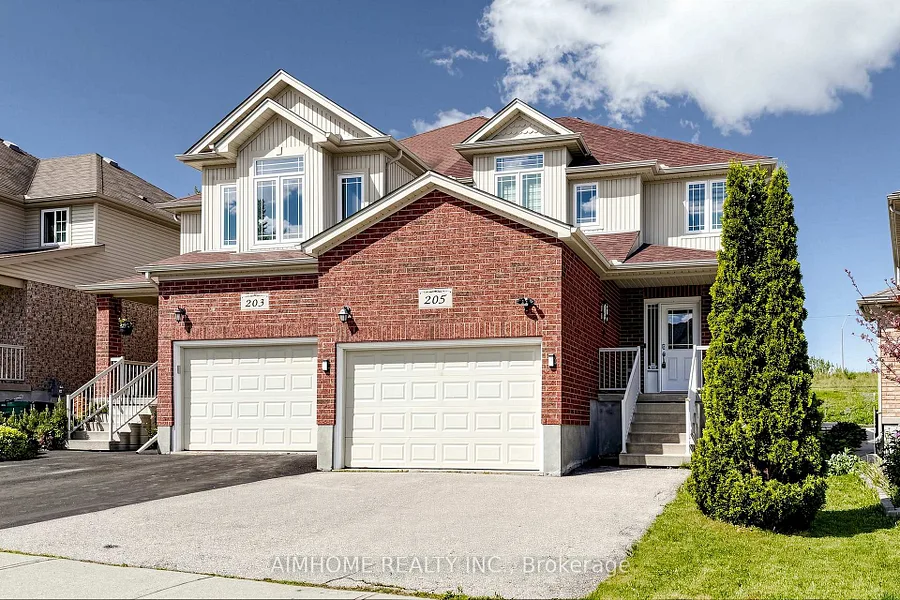
You step inside, see a bright kitchen and immediately picture Saturday breakfast at the island. That reaction matters. A home should feel good.
It is also the moment to slow down and look at the parts that listing photos cannot explain. A showing is a short visit, so having a simple routine helps.
Walk the layout in the order you live
Imagine arriving with groceries, taking off wet shoes, making dinner and getting ready in the morning. Is there a practical entrance? Can people move through the kitchen without blocking one another? Is the bathroom in a workable place? Furniture can change, but circulation is harder to fix.
Look at room dimensions rather than relying on labels. A room called a bedroom or office still needs to fit your furniture and intended use. Notice low ceilings, sloped walls, door swings and narrow passages.
Look for storage, light and daily comfort
Open closets and permitted cabinets respectfully. Think about coats, cleaning supplies, food, bicycles, seasonal items and waste bins. A tidy staged home can appear spacious because many everyday belongings are elsewhere.
Natural light changes through the day and by season. Note the window direction, nearby buildings and mature trees. Turn off a light for a moment if appropriate. Also notice temperature differences between rooms and ask what systems heat and cool the property.
Different housing forms handle these needs differently. The guide to choosing between a condo, townhouse and detached home can help you decide which trade-offs are acceptable.
Check parking and the immediate surroundings
Confirm which parking spaces belong to the property and whether your vehicle fits comfortably. Think about guests, snow storage and how cars must move when more than one driver lives there.
Step outside and listen. Look at the street, neighbouring uses, traffic, transit stops and the route you would take on foot. If the location is unfamiliar, return independently at another reasonable time. One quiet midday visit may not represent your morning or evening routine.
Notice visible maintenance clues
You are not expected to diagnose a house during a showing. You can still observe stained ceilings, unusual odours, cracks, damaged finishes, windows that appear difficult to operate or water collecting near the exterior. Ask what is known and make notes for follow-up.
In a basement, notice the smell, visible walls and floors, ceiling height, exits and any areas hidden by stored belongings. Ask about renovations and permits where relevant. Avoid making conclusions from one sign; the point is to identify questions.
A showing is not a home inspection
A showing does not replace an inspection by a qualified home inspector or advice from the appropriate specialist. A professional inspection can examine systems and conditions in a way that a buyer cannot during a short visit. The availability and wording of an inspection condition is transaction-specific, so discuss it with your representative and lawyer rather than using generic clause advice.
If the home still fits after the practical review, read the questions to ask before considering an offer. You can also see currently featured properties and approach each showing with the same calm checklist.
Before leaving, take one final look without focusing on décor. Write down the two strongest practical features and the two matters that need confirmation. Photograph or measure only with permission. Doing it immediately keeps one striking room from becoming your memory of the entire property and gives you a useful starting point for follow-up.
This article is provided for general information only and is not intended as legal, financial, mortgage or tax advice. Individual circumstances vary, and appropriate professional advice should be obtained where required.