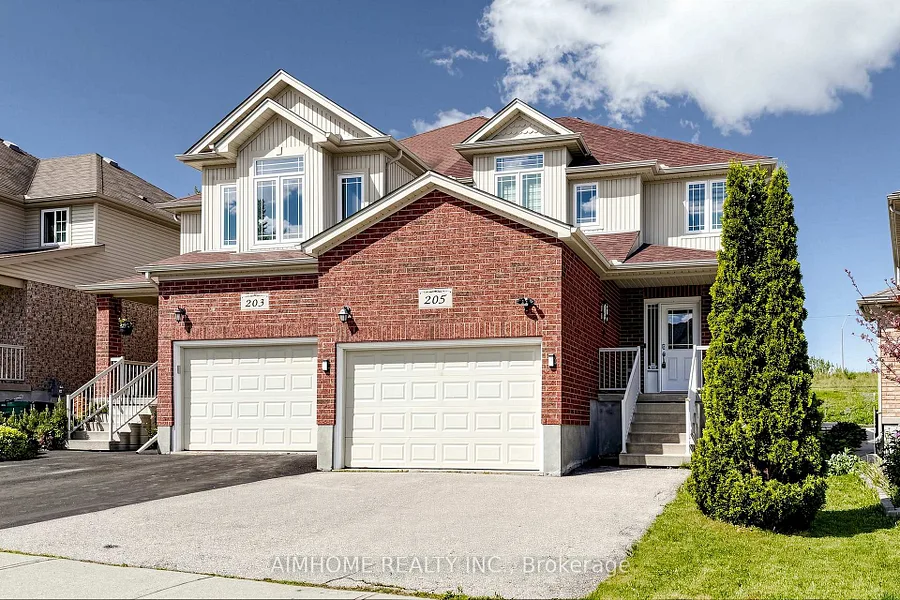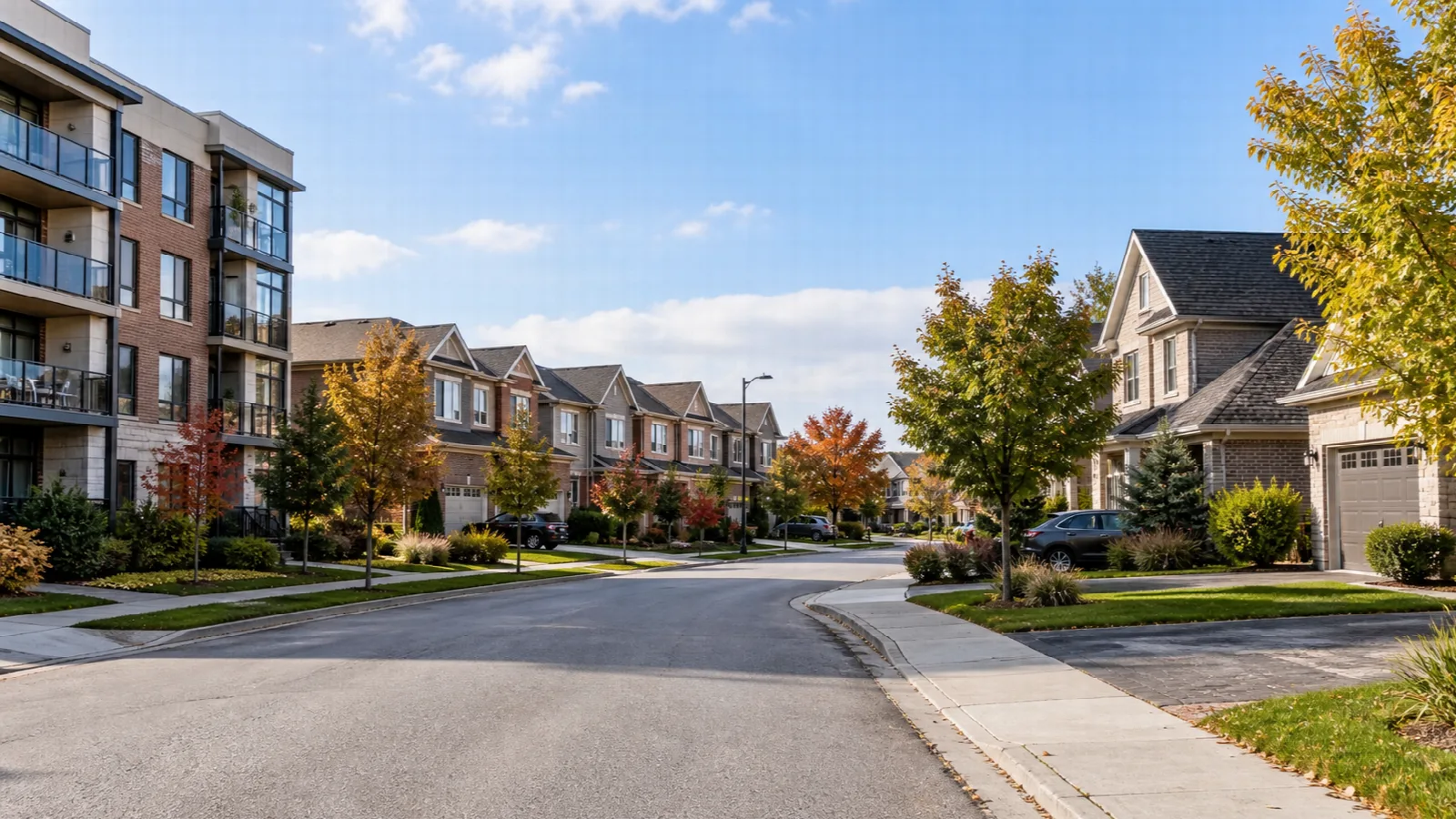
Buyers often begin with a property label: condo, townhouse or detached. A better starting point is a normal Tuesday.
How much upkeep do you want? Where will you park? Do you need a private yard, a quiet work area or room for relatives? The right home type is the one whose everyday trade-offs fit your life.
Think about maintenance honestly
In many condominium buildings, the corporation manages common elements and exterior work. That can be helpful if you do not want to coordinate every repair, but owners still maintain their units and share in the corporation's costs. Review the declaration, rules, financial information and status certificate with the appropriate professionals before deciding.
A freehold townhouse or detached home usually puts more exterior maintenance directly in the owner's hands. That means more control and more responsibility. Ask yourself whether yard work and seasonal maintenance sound satisfying, manageable or simply unrealistic with your schedule.
Compare usable space, not just room count
Two homes with the same bedroom count can function very differently. Look at room dimensions, storage, stairways, entrances and the path between busy spaces. A compact condo with good storage can work better than a larger home with awkward rooms.
Outdoor space deserves the same practical test. A balcony may be enough for morning coffee. Someone who gardens, has outdoor equipment or wants a play area may prefer a yard. In a townhouse, clarify whether the outdoor area is private, shared or part of a condominium's common elements.
Understand privacy, sound and shared rules
Condo living places more activity close by. Elevators, hallways and amenities are shared, and the corporation's rules affect how the property is used. Townhouses share walls in many configurations, while detached homes provide physical separation but can still have nearby neighbours and street noise.
Visit at a realistic time of day. Pause to listen. Notice the location of bedrooms, mechanical equipment, garbage areas, visitor parking and common entrances. During a visit, use this practical home-showing checklist to look beyond finishes.
Put parking and monthly costs on paper
Confirm how many parking spaces are included, where they are and whether visitor parking meets your needs. Do not assume a driveway, garage or locker is legally included because it appears convenient during the showing.
Condo fees should be considered alongside what they cover. A lower fee is not automatically better, and a higher fee does not automatically mean better value. Review the building's information with your lawyer and other qualified professionals. For any home type, allow for taxes, insurance, utilities and maintenance when setting a comfortable budget.
Picture the next few years
You do not need a forever home, but a likely change can shape the choice. Working from home, mobility needs, children, pets, hobbies or an older relative may make certain layouts more useful. At the same time, buying unused space creates its own cost and upkeep.
Use the planning questions in the Brampton buyer starting guide, then compare current properties across home types. The aim is not to declare a winner. It is to understand which responsibilities and conveniences you are choosing with the front door.
Try writing one sentence for each option: “This home type works for us if...” The condition that completes that sentence may be a particular fee range, enough storage, accessible parking or time for upkeep. Test those conditions during every visit. That makes the comparison personal and testable instead of theoretical, while leaving room for a property that meets the need in an unexpected way.
This article is provided for general information only and is not intended as legal, financial, mortgage or tax advice. Individual circumstances vary, and appropriate professional advice should be obtained where required.