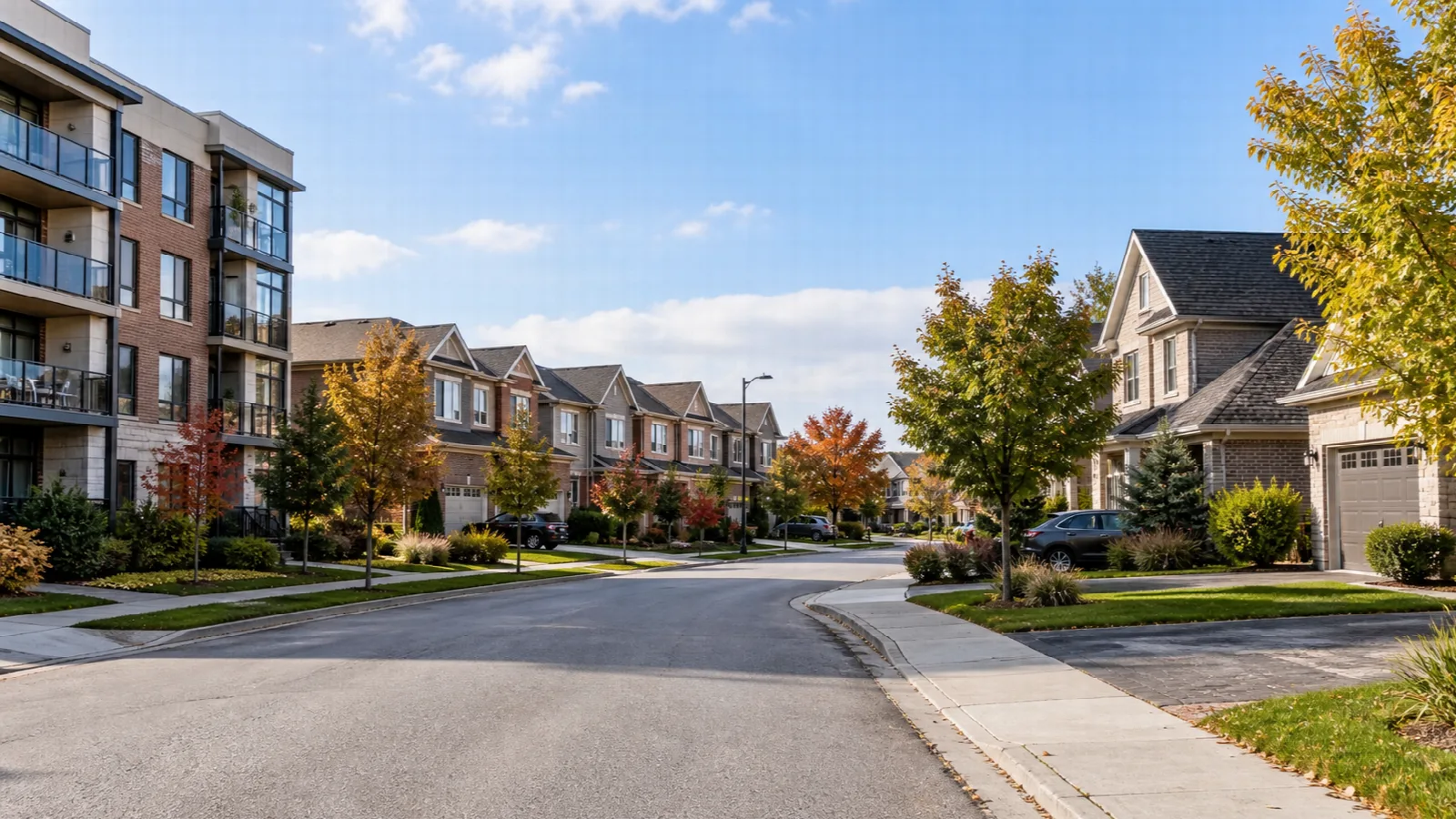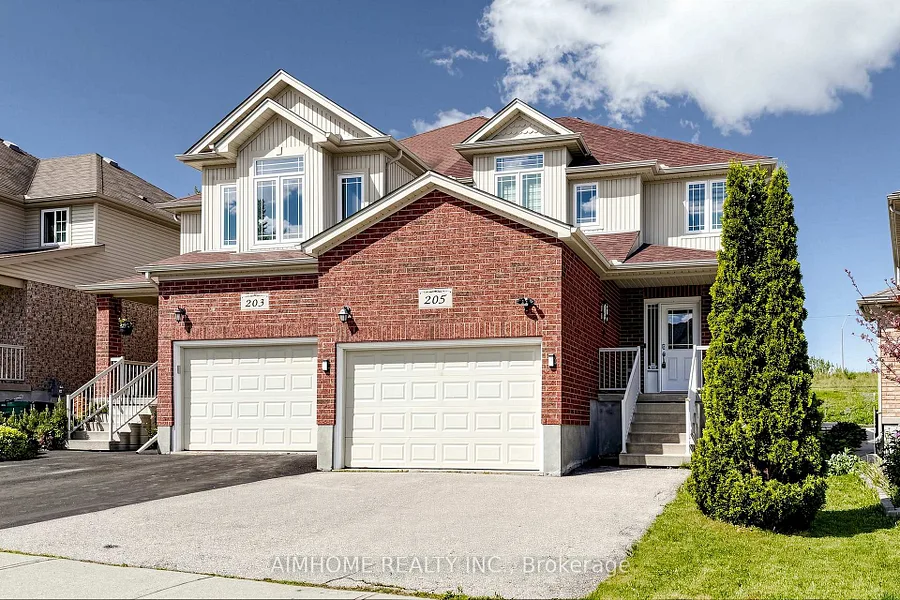
Liking a house is important. Feeling rushed is not a reason to stop asking questions.
Before deciding whether to make an offer, bring the conversation back to fit, facts and professional advice. The answers may strengthen your interest, change the terms you want to discuss or show that the property is not right for you.
Will the home work beyond move-in day?
Revisit the needs you set at the beginning of the search. Does the layout support your routine? Is the commute reasonable? Will the parking, storage and outdoor space still work after the excitement of moving?
Consider likely changes without demanding that one property solve every future possibility. A home might fit for a meaningful period even if it is not permanent. The key is to recognize the compromise rather than discover it later. If priorities have become blurry, return to the Brampton buyer planning guide.
What is known about the property?
Ask about the age and known condition of major components such as the roof, heating and cooling equipment, windows, electrical system and plumbing. If renovations are visible, ask what was changed and whether permits or records are available where relevant.
An answer is a starting point, not a substitute for appropriate investigation. Review your observations from the showing and use the practical home-showing checklist to identify matters that deserve follow-up by an inspector, contractor or other qualified professional.
What stays with the home?
Do not rely on assumptions about appliances, light fixtures, window coverings, rented equipment, storage sheds or other items. Ask which fixtures and chattels are intended to be included or excluded and whether any equipment is rented or subject to an agreement.
The legal wording belongs in the agreement of purchase and sale. A real-estate lawyer can explain inclusions, exclusions, rentals and other terms for your specific transaction.
Are your financing assumptions current?
A general pre-approval does not necessarily mean every property or purchase amount will be approved. Before committing, speak with your mortgage professional about the property, your planned down payment and any change in your financial circumstances.
Also review the cash needed beyond the down payment. This overview of Ontario home-buying costs beyond the price can help organize that discussion.
Which conditions and timelines need discussion?
Financing, inspection, insurance, the sale of another property and review of condominium documents are examples of matters that may be relevant, depending on the home and buyer. They are not interchangeable templates. Their wording, timing and consequences require advice based on the actual transaction.
Ontario buyers can review the RECO Information Guide (external PDF) for an overview of working with real-estate agents and brokerages. Ask your representative and lawyer to explain anything you do not understand before signing.
You can review current featured properties, but the important step is the same for any home: gather the available information, understand the proposed agreement and make the decision on your own informed timeline.
Before that decision, ask for enough time to read what you are being asked to sign and keep copies of the material you reviewed. Confirm the full offer price, deposit, dates and every included or excluded item. If another person is purchasing with you, make sure both of you understand the same terms.
A calm offer is not an unenthusiastic one. It is an offer made after the property, financing and proposed agreement have been considered together. The answer may still be yes, but it will be a yes connected to facts rather than urgency alone.
This article is provided for general information only and is not intended as legal, financial, mortgage or tax advice. Individual circumstances vary, and appropriate professional advice should be obtained where required.